 English English
Views: 0 Author: Site Editor Publish Time: 2026-02-03 Origin: Site


Plastic extrusion plays a crucial role in creating products we use daily, from pipes to films. But how does this process work? Why is it essential in manufacturing?
In this article, we will explore the extrusion process in plastics, its key components, and how it creates products with consistent shapes. You’ll also learn about the role of additives and the advantages of extrusion in industries such as packaging, construction, and medical. As a leader in the extrusion industry, Anda provides tailored solutions for PVC and other plastic materials, ensuring high-quality results.
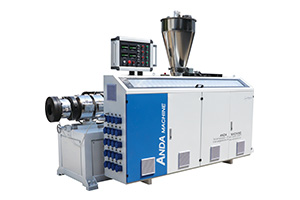
Plastic extrusion is a manufacturing technique where thermoplastic materials are melted and forced through a die to form a continuous shape with a consistent cross-section. It is used to produce a wide range of products, including pipes, tubing, sheets, and films. The process begins with raw plastic materials, often in the form of pellets or granules, which are heated, melted, and then shaped into the desired product.
The extrusion process is popular due to its high-speed production, cost-effectiveness, and the ability to create complex shapes in large quantities. The main components involved in extrusion are the raw material, the extruder (which includes a heated barrel and rotating screw), the die, and the cooling system.
1. Feeding: Raw material, usually in pellet form, is fed into the extruder's hopper.
2. Melting: The material moves through a heated barrel where the rotating screw applies pressure and friction to melt the plastic.
3. Shaping: Once melted, the material is forced through a die, which defines the final shape.
4. Cooling: The extruded material is cooled, typically by water baths or air cooling, to solidify it into its final form.
The rotating screw within the barrel is critical in this process. It ensures uniform melting, mixes the material thoroughly, and pushes it toward the die. The die shapes the material into a specific cross-sectional profile, whether round, square, or custom.
The extrusion process works with a variety of thermoplastic materials, each offering distinct advantages depending on the application. Some of the most common materials include:
● Polyethylene (PE): Known for its flexibility, toughness, and chemical resistance.
● Polypropylene (PP): Valued for its strength and resistance to heat and chemicals.
● Polyvinyl Chloride (PVC): Popular for pipes and profiles due to its durability and weather resistance.
● Polystyrene (PS): Often used for rigid products like containers and packaging.
Material | Properties | Common Uses |
Polyethylene (PE) | Flexible, tough, chemical-resistant | Packaging, films, pipes |
Polypropylene (PP) | Strong, heat-resistant, lightweight | Tubes, medical components |
Polyvinyl Chloride (PVC) | Durable, weather-resistant, chemical-resistant | Pipes, window profiles, flooring |
Polystyrene (PS) | Rigid, transparent, good electrical properties | Packaging, containers, insulation |
Anda offers customized extrusion solutions for a wide range of materials, enabling businesses to optimize their production processes for specific requirements. Their expertise ensures that businesses can achieve the highest quality extruded products.
The hopper is the entry point for raw materials into the extrusion system. It holds the plastic granules or pellets before they are fed into the extruder. The material is then transferred through the feed throat into the barrel, where it begins its journey to be melted and shaped.
The extruder barrel is where the magic happens. It contains heating zones that gradually raise the temperature of the plastic, ensuring it reaches the optimal melting point. The rotating screw inside the barrel compresses the material, pushing it forward while mixing and melting it due to the heat and friction generated.
The barrel typically has multiple temperature zones, with each section controlling different stages of the process: feed zone, melting zone, and pumping zone.
The rotating screw’s design can vary depending on the material being processed and the desired output.
Component | Function |
Hopper | Holds and transfers raw material |
Feed Throat | Directs material into the extruder barrel |
Extruder Barrel | Heats and melts the plastic |
Rotating Screw | Compresses, mixes, and moves the material |
The die is a critical component in the extrusion process. It defines the final shape and dimensions of the extruded product. Dies come in various designs, depending on the product being manufactured. For example, a round die is used for pipes, while a flat die is used for sheets.
● Flat dies: Used for creating films, sheets, and other flat profiles.
● Annular dies: Typically used for making hollow products like pipes or tubes.
Once the material is forced through the die, it begins to take on its final shape.
After the extruded material exits the die, it needs to be cooled rapidly to retain its shape. This is typically done using water baths, air cooling systems, or cooling rollers. The cooling method used depends on the material and the type of product being created. For example, pipes and tubes are often water-cooled, while sheets may pass through a set of rollers to achieve the desired thickness.
Additives play an essential role in modifying the properties of the final extruded product. Depending on the desired characteristics of the material, different types of additives can be incorporated into the raw plastic. Below is a list of some common additives used in the extrusion process and their functions:
Additive | Function |
Plasticizers | Improve flexibility and softness |
UV Stabilizers | Enhance resistance to sunlight and environmental degradation |
Colorants | Provide color to the plastic products |
Flame Retardants | Improve safety by reducing the flammability of products |
Antioxidants | Prevent oxidation, ensuring product longevity |
Other Additives | Fillers and reinforcements to improve strength and durability |
The choice of additives is crucial in ensuring the final product meets specific performance requirements. For example, UV stabilizers are essential for outdoor applications where plastic products are exposed to sunlight. Similarly, plasticizers are used to increase flexibility for products like hoses or tubing.
By choosing the right combination of additives, manufacturers can tailor the material to meet specific needs, whether for medical devices, packaging materials, or construction products.
While additives can greatly enhance product performance, they must be carefully selected and managed. Some key challenges include:
● Ensuring compatibility between the additives and base polymers.
● Maintaining consistent extrusion speed and flow properties when additives are introduced.
● Balancing the cost of additives with the benefits they provide.
In tubing extrusion, air is often used to create internal cavities, which is crucial for producing hollow products like pipes. After exiting the die, the tubing is typically cooled using water baths or air cooling, ensuring it retains its shape and solidifies properly. This method is especially useful for applications requiring hollow or tubular structures.
Blow film extrusion is a specialized process for creating plastic films, such as those used in packaging. The process involves blowing air into the molten plastic, creating a tube, and then flattening it to form a thin film. This technique is ideal for manufacturing products like shopping bags, food wraps, and other flexible packaging materials.
Sheet extrusion is used for producing thicker plastic sheets. These sheets are then cooled and often passed through rollers to achieve the desired thickness and surface texture. The sheets are typically used in applications like protective covers, trays, and signage.
This process is used to coat wires and cables with plastic. The wire passes through the die, where molten plastic is applied around it to form an insulating layer. The type of tooling used depends on whether adhesion is required between the wire and the plastic. This method is commonly used for electrical cables and ensuring they are safely insulated.
Extrusion Process | Description |
Tubing Extrusion | Uses air to create internal cavities for hollow products like pipes |
Blow Film Extrusion | Creates plastic films by blowing air into molten plastic, then flattening it |
Sheet Film Extrusion | Produces thicker plastic sheets, often passed through rollers for thickness |
Over-Jacketing Extrusion | Coats wires and cables with plastic, forming an insulating layer |
The extrusion process allows for continuous production, making it highly efficient for mass-producing plastic components. This is particularly beneficial for industries that require high-volume production, such as the construction and packaging sectors.
Plastic extrusion offers significant design flexibility, allowing for complex shapes and profiles to be created. This flexibility is especially useful for custom applications such as weatherstripping, window frames, and custom tubing.
Extrusion is compatible with a wide variety of thermoplastics and additives. This versatility makes it suitable for producing products across different industries, including medical devices, packaging materials, and construction components.
Extrusion systems can be highly automated, ensuring consistent quality and precision. Automated systems help maintain tight tolerances, which is crucial for industries where product specifications are strict.
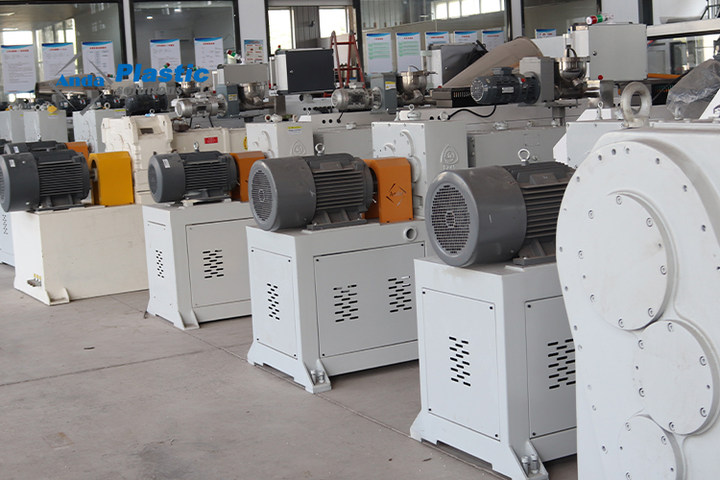
Extrusion is widely used in the construction industry for products such as pipes, profiles, and weatherproofing components. Its ability to produce durable and cost-effective materials makes it an ideal choice for applications requiring long-lasting solutions.
In the packaging industry, extrusion is used to produce films, sheets, and containers. The process's ability to customize materials for specific properties, such as flexibility and strength, is a significant advantage for packaging companies.
Plastic extrusion is also used for producing tubing, wire coatings, and custom components in the medical and electronics industries. The precision and consistency of the extrusion process are essential for meeting the stringent standards of these industries.
Industry | Applications | Benefits | Examples |
Construction | Pipes, profiles, weatherproofing components | Durable, cost-effective, long-lasting solutions | PVC pipes, window profiles |
Packaging | Films, sheets, containers | Customizable material properties (flexibility, strength) | Shopping bags, food packaging |
Medical and Electronics | Tubing, wire coatings, custom components | Precision, consistency, adherence to strict standards | Medical tubing, wire insulation |
Plastic extrusion is a versatile and efficient process, producing a wide range of plastic products. Its high production speed and design flexibility make it ideal for many industries. Companies like Zhangjiagang Anda Machinery Co., Ltd. continue to lead the market by offering advanced extrusion machinery. Their high-quality solutions provide businesses with the precision and reliability needed for various production needs, ensuring maximum value and performance.
A: The extrusion process in plastics is a manufacturing method where thermoplastic materials are melted and forced through a die to create continuous products with consistent cross-sections. This process is commonly used for producing pipes, films, sheets, and other plastic items.
A: The extrusion process in plastics involves feeding plastic pellets into an extruder, where they are melted by heat and pressure. The molten plastic is then shaped by a die and cooled to form a solid product. This process is highly efficient for mass production.
A: The extrusion process in plastics is widely used due to its ability to produce large quantities of uniform products quickly and cost-effectively. It also offers flexibility in design, allowing for the creation of complex shapes and profiles.
A: The extrusion process in plastics offers high production speed, efficiency, material versatility, and design flexibility. It's ideal for industries requiring mass production and custom plastic products with consistent quality.
A: The extrusion process in plastics can handle a wide range of thermoplastic materials, including polyethylene (PE), polypropylene (PP), polyvinyl chloride (PVC), and polystyrene (PS), among others. The choice of material depends on the desired properties of the final product.
A: Common applications include manufacturing pipes, profiles, window frames, packaging materials, medical tubing, and insulation. Its versatility makes it suitable for various industries such as construction, packaging, and medical devices.


